
Barcelona: A City That Meets You Where You Are
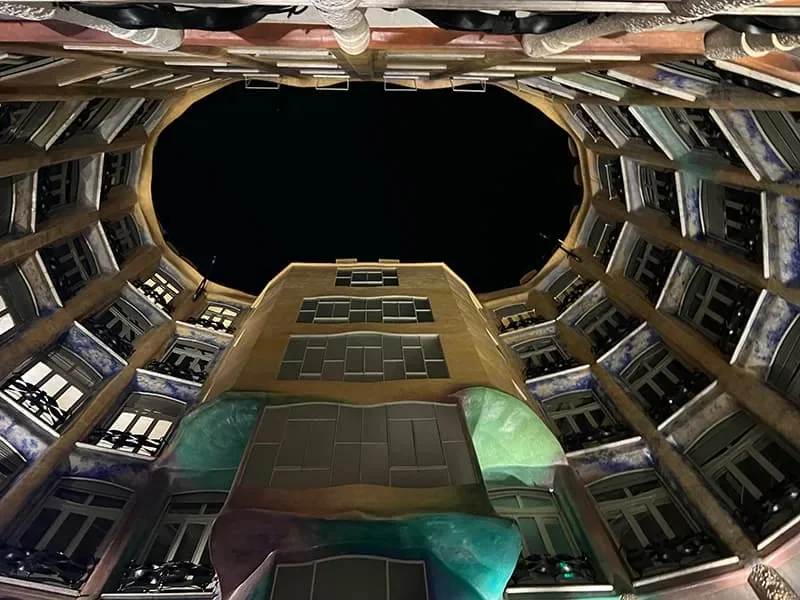
Casa Mila Courtyard (Photo by: Victor-Diaz-Herman)
Barcelona is a city that knows how to respond. What sets it apart is not only the depth of its history or the beauty of its architecture, but the way the experience adapts to the traveler. Visitors do not need a rigid plan, a specialty interest, or a predefined travel identity to enjoy it. Barcelona meets people where they are, then offers exactly as much stimulation, culture, or ease as they are ready for.
After spending nearly six weeks in Barcelona, one thing became clear - flexibility is what makes it a unique destination. It is culturally significant without being prescriptive, dynamic without feeling chaotic, and layered without demanding mastery. Visitors can arrive with very different expectations - first-timers and repeat visitors, design lovers and casual wanderers, food-focused travelers and nightlife seekers - and leave feeling as though the city adjusted itself to them rather than the other way around.
Architecture is often where that relationship begins. For my husband and me, it started in the Gothic Quarter, where narrow streets and weathered stone façades made Barcelona’s medieval past feel present rather than preserved. Moving outward, neighborhood by neighborhood, the city revealed its evolution organically, each area reflecting a different chapter without erasing what came before. Threaded through all of it was the unmistakable influence of Antoni Gaudí. His work doesn’t simply punctuate the city; it reshapes how you experience it. Even when architecture wasn’t the plan, his presence quietly redirected our days as we wandered and recalibrated.
That same responsiveness carries through to the table. Barcelona’s dining scene is globally influenced and remarkably diverse yet still anchored in its own culinary identity. Traditional flavors are treated as living references rather than static traditions, allowing meals to flex with the moment - quick and casual when needed, lingering and social when the day allows. Food becomes one of the easiest ways for travelers to shape their experience without effort.
And if architecture and food hadn’t already made the point, the language does. While Catalan may not be the primary language spoken by visitors, its presence is constant and unforced. Seen on street signs, menus, and storefronts, and heard in everyday conversation, it reflects a city confident in who it is and comfortable expressing that identity without explanation. That confidence creates space for visitors to engage comfortably, without feeling excluded or overwhelmed.
Barcelona does not require precision, instead it prefers itineraries that flex around how visitors want to experience the city in the moment. The recommendations that follow are intended to inspire, but hopefully you will leave this great city with a list of your own.
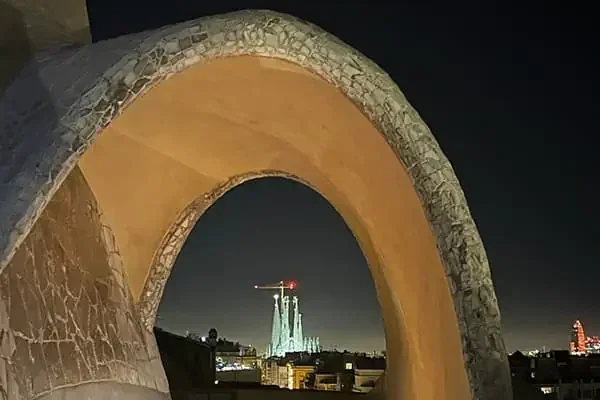
View of Sagrada Familia from Casa Mila rooftop (Photo: Victor Diaz-Herman)
SITES AND EXPERIENCES
Visitors should absolutely experience Barcelona’s most iconic sights – the Gothic Quarter, the spires of the Sagrada Família, Parc Güell, Montjuïc, walks along La Rambla, Mercat de la Boqueria, institutions like the Picasso Museum, and so on – as these are the cornerstones of the city’s history, scale, and beauty. However, after experiencing Barcelona from multiple angles, there are three experiences I believe allow visitors to engage with a city of this size and significance.
TukTuk Tour of the City (Daytime)
Best for: first-time visitors, travelers short on time, multigenerational groups
An ideal first-day experience that helps visitors get oriented quickly. Covering multiple neighborhoods in an open-air format, providing a clear sense of the city’s layout and energy, making it easier to decide what to prioritize next.Casa Milà Night Experience
Best for: couples, culture-focused travelers, design lovers
A rooftop light and sound experience that brings Gaudí’s architecture to life after dark, with the city skyline as a backdrop, in an emotional and immersive way.Ghost Tour of the City
Best for: curious travelers, evening explorers, history enthusiasts
Less about ghosts, more about a guided walk that explores Barcelona’s darker past through storytelling and atmosphere, offering insight rarely shared otherwise.
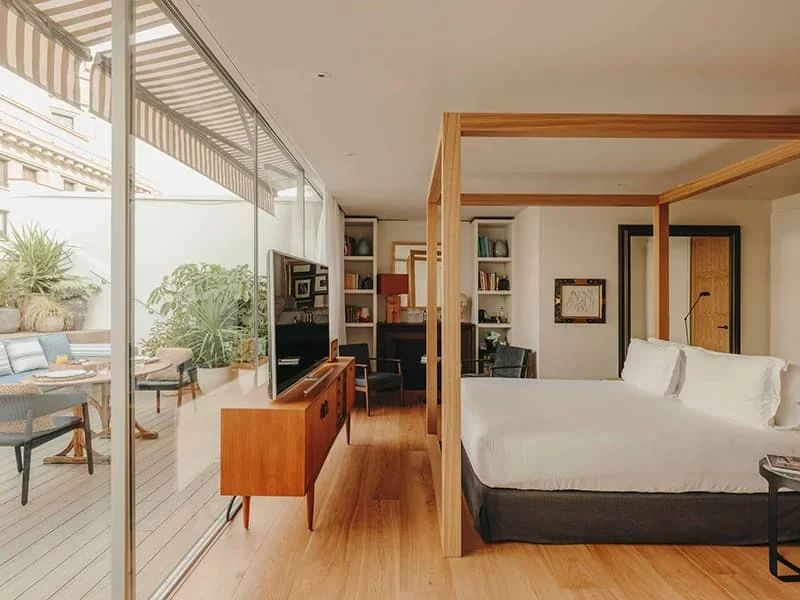
Accommodations at Hotel Pulitzer Barcelona. (Photo: Hotel Pulitzer Barcelona)
ACCOMMODATIONS
Barcelona offers myriads of hotel options across every price point, making it easy to find properties that match your priorities. Depending on budget, travel style, and length of stay, these three options provide distinct experiences while remaining well positioned for exploring the city.
W Barcelona
Best for: luxury travelers, celebratory trips
A bold beachfront property with standout design, views, dining, and energy.Hotel Pulitzer Barcelona
Best for: couples, value-focused travelers
A centrally located, pet-friendly, boutique hotel with personality, creative dining, and excellent value.Cosmo Aparthotel Sants
Best for: extended stays, families
Apartment-style accommodations with hotel amenities, ideal for longer visits.
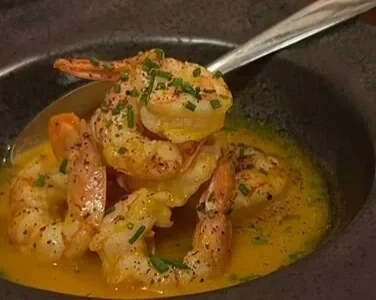
Caramba la Gambadish at Ziryab. (Photo: Victor Diaz-Herman)
DINING
Barcelona’s culinary scene demands an itinerary of it’s own. We particularly appreciate the way it blends Mediterranean foundations with global influences that feel natural rather than forced. These four restaurants showcase that balance while offering unique atmospheres for guests.
Milk
Best for: comfort seekers, late diners
Mediterranean-inspired comfort food with global touches. Mushroom croquettes, gambas borrachas, and pork tacos are reliable favorites.Ziryab
Best for: socially conscious travelers, tapas lovers
An intimate Gothic Quarter spot serving Mediterranean-leaning tapas with subtle creative twists. Known for its inclusive hiring practices and thoughtful atmosphere.Bistro Sensi
Best for: adventurous eaters
Bold, shareable tapas influenced by Mediterranean and French traditions, with lively energy.Wolves Cave
Best for: groups, lively evenings
A high-energy dining experience where globally inspired food, live music, and atmosphere make dinner feel like the start of a night out.
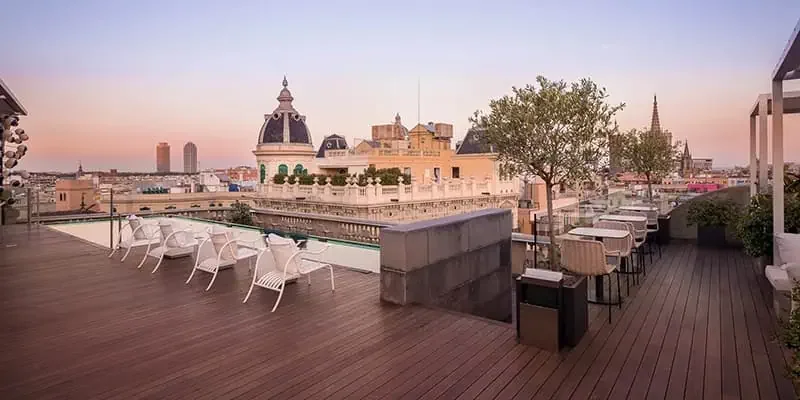
Rooftop at Hotel Ohla Barcelona. (Photo: Hotel Ohla Barcelona)
DRINKS, SOCIAL SPACES, AND LATE NIGHTS
In Barcelona, social life doesn’t wait for nightfall. Coffee turns into vermouth and then into cocktails that are meant to be shared alongside conversation and tapas.
Dux
Best for: gin lovers, relaxed afternoons or evenings
A casual cocktail bar with an impressive gin selection and an easygoing vibe.Jaqueline Barcelona
Best for: stylish daytime drinks, lively evenings
A polished space that transitions seamlessly from daytime socializing to nighttime buzz featuring live music and performances.Rooftop at Hotel Ohla Barcelona
Best for: daytime lounging, sunset cocktails
City views that work just as well mid-afternoon as they do at golden hour.Strass
Best for: drag fans, queer travelers, late nights
A high-energy queer bar known for drag performances and a loyal local following.
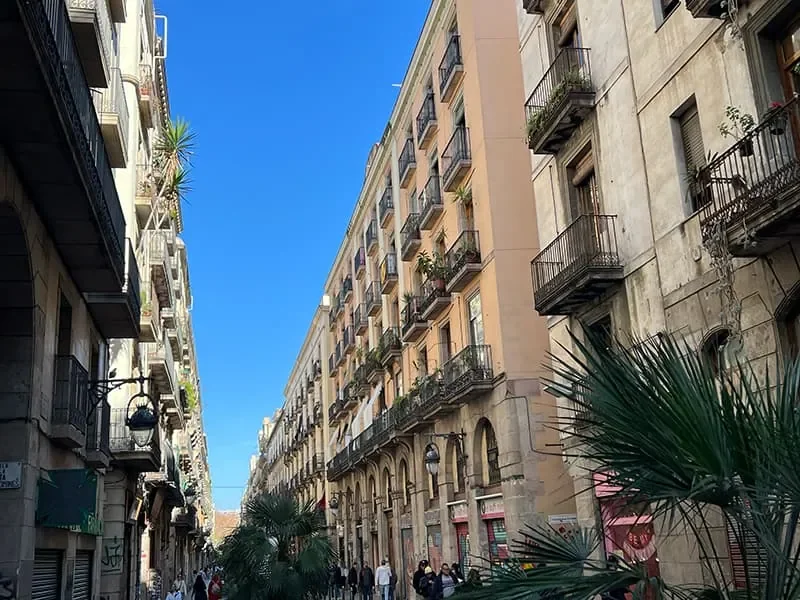
Carrer de la Princessa. (Photo: Victor Diaz-Herman)
Taken together, these experiences reflect what Barcelona does best: it gives travelers the freedom to shape the journey as they go. When planning a visit, the most important thing you can do is leave room for spontaneity. Build an itinerary that provides structure without overfilling it and allows space for the city to respond back - through a meal that runs long, a neighborhood that pulls you in, or a conversation that reroutes your day. Barcelona rewards curiosity more than control, and those who approach it with openness often find the city guiding them toward exactly the experience they didn’t know they were looking for.
This article was written for and was originally published by Recommend magazine. Click here to read it in it’s original form.